
Choose your networks wisely
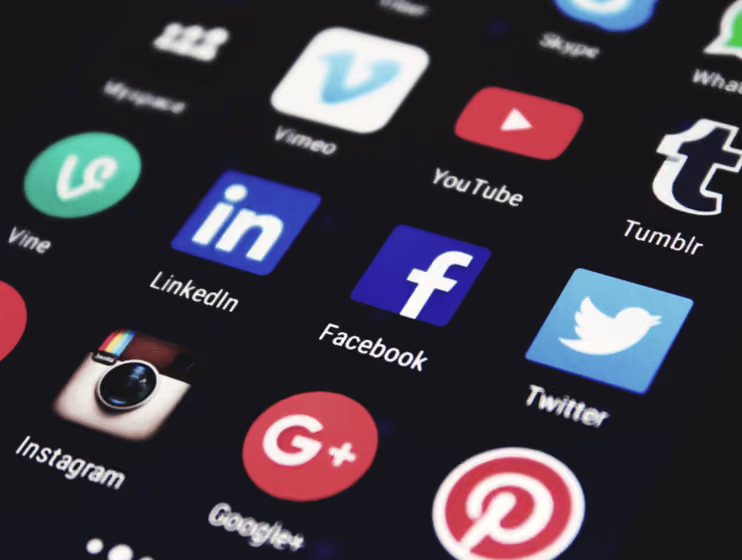
The very first question you should ask yourself is: Which platforms should be used?
For a long time, a Facebook page was considered the standard and can still prove useful—especially if you have used one for previous events. Keep in mind, however, that updates from fan pages have for some time now barely been reaching fans' newsfeeds. Relying solely on Facebook to promote your event is therefore unlikely to be very successful.
That said, you don't have to abandon Facebook entirely. The example of the European Colorectal Congress 2015 shows that it can still be worthwhile. Last year, the congress was actively supported by a fan page that managed to gain a four-digit number of fans.
Therefore, consciously select channels where experts and potential attendees are already present. For instance, Instagram is a constantly growing network, but if your target audience isn't there, it is better to skip an official account.
In many cases, using Twitter or a business network like LinkedIn has good prospects for success.
Always keep in mind, however, that every additional channel you use to communicate with future event attendees means extra effort.
Creating new accounts vs. using existing ones
The question is not just which networks you want to be active on, but also whether your event should be covered via your organization's existing profiles or if there should be a separate event account.
Existing profiles have the great advantage that you don't have to start from scratch when building your network, as the followers or fans are already there. For those who find it difficult to fill their accounts regularly, the event should provide plenty of content.
The situation is different for organizers who already actively provide their online community with information. If you add numerous event-related posts on top of that, things can quickly become cluttered.
Always remember that people become fans or followers for different reasons. Only a small fraction of the students, prospective students, alumni, and staff following an official university Twitter account are likely interested in the minute details of a nanotechnology conference. If too many conference updates flood their timeline, it might just encourage them to unfollow.
In this case, it would be better to create a new account. You can still involve the existing one to occasionally point out deadlines or share the odd photo from the event.
Are we ready to start?
Not quite yet.
Before you think about what you want to communicate to interested parties, you should definitely decide who will be doing it. Ideally, depending on the number of accounts selected, one or two people should take this on, starting to post regular updates two to three months before the event begins and then being on-site themselves later on.
Starting to write without a real concept is not a good idea. It is advisable to record all planned social media activities in an editorial calendar beforehand. This way, you know exactly what needs to be published on which day.
In addition, tools like Buffer make the work easier: manage all channels at a glance and draft your posts when you have the time and a clear head. Then, simply set when and where each post should be published. Buffer handles the sending, and its analysis feature—which is also available in the free basic version—provides data on the reach and popularity of a post.
Before you send out your very first post, take a look at the design of your accounts. Make them visually appealing, for example with a profile picture and a header image that display the event logo or reflect the event's theme.
No tweet without a #hashtag
If you want to cover your event via tweets, don't forget to define an official hashtag to bundle all event-related tweets. Since short hashtags are better due to character limits, you should use an abbreviation of the event name. However, be sure to check beforehand that it hasn't already been taken. For example, for the 2016 edition of our demo conference, the Converia Developer Conference, the tag #cdc16 would not be suitable, as it was already used for other events on Twitter. Make sure your attendees are aware of the hashtag and promote it on the event website, on flyers, and later on-site.
Writing, photographing, filming—but what?
Once all preparations are made, you can move on to the content.
Even if the phase before the event starts doesn't seem like the most exciting one from an attendee's perspective, it already provides several ideas to get your community in the mood for the upcoming event.
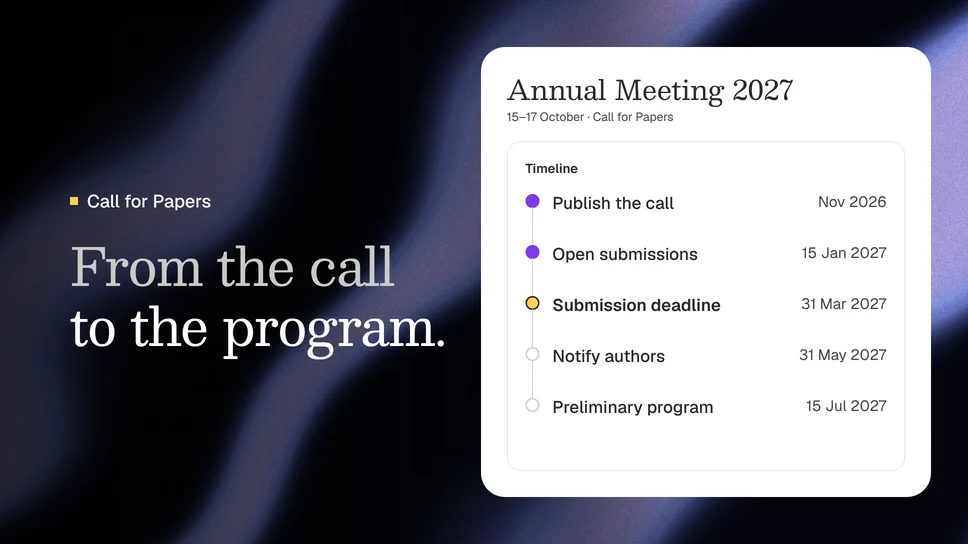
Use social networks to inform all interested parties about general event details. Draw attention to registration periods, the call for papers, important deadlines, and discounts.
Did you produce an event trailer to build anticipation, like the organizers of the XX World Congress on Safety and Health at Work 2014?
https://www.youtube.com/watch?v=0VExgfiAUdA
Then don't hide it—actively use it on your website. You can also set up a YouTube channel, just like the World Congress organizers did. This is possible even if you don't have any other video material besides a trailer. Create playlists of videos from other users that might interest your attendees, perhaps because they offer a first glimpse of the city or venue, or because they are thematically relevant to the event and can serve as a starting point for an exciting discussion in your LinkedIn group.
As long as the organization is in full swing, interim results are always great for a status update or a short tweet. Show a photo of the preparations at the venue, report on which keynote speaker has been confirmed, how many abstracts have already been submitted, or what dishes will be served at the gala dinner.
To ensure you can continue your planning without losing touch with your attendees, involve them right from the start. If you are planning a workshop but aren't sure if there is any interest, ask your digital followers.
Give attendees the opportunity to get to know each other and exchange ideas before the event. A LinkedIn group where your visitors can discuss with one another can be helpful here. However, because every beginning is difficult and there is always the risk that no one wants to be the first to ask a question, provide some food for thought by posting online finds, such as infographics or studies, to spark discussion.
Naturally, this works even better the larger your following already is. If your network is still growing or needs to be expanded, it is best to rely on multipliers and try the following: ask your well-connected speakers to mention your event with a short post on their personal accounts.
Keep it short and sweet
Regardless of what you ultimately publish on your profiles: keep it brief.
You should still provide detailed information, of course, but social networks are not the right place for it. Instead, simply include a link to the event website where more detailed information can be found.
The linking should also work in the other direction. To ensure all website visitors know where else to find the latest updates, you should link to your social media accounts there.
Whatever you publish, it should always have the same goal: getting your attendees excited about the upcoming event. If you provide initial insights into the planning process beforehand and manage to get visitors in the right mood for the days ahead, nothing will stand in the way of a smooth start to your event.
Find out how to use social networks to engage your visitors during and after the event in the second part of our social media series.